
"global coffee consumption"
800 article(s) found

Development Strategy of Coffee Industry in Yunnan
First, the course of coffee industry in Yunnan (1) A brief history of the introduction of coffee in Yunnan is the product of foreign missionary work. After Burma became a British colony, British missionaries went to the Kachin region of Myanmar to preach, and the missionaries grew coffee for their own use. Then the Jingpo people in this area gradually began to grow coffee. As the Jingpo people live across borders, with the exchange of visiting relatives and friends, intermarriage and exchange, coffee comes in.

Research report on the Forecast and Investment Strategy of China's Coffee Industry from 2012 to 2016
Against a backdrop of rising coffee use in major emerging markets, particularly in Asia and South America, global coffee demand rose 2 per cent year-on-year in the 2011-2012 fiscal year. During the 2012-2013 fiscal year, global coffee production held steady at around 146 million packs (60kg each). In the past ten years, coffee shops have sprung up on the streets of major cities in China, especially

Per capita coffee consumption in the United Arab Emirates has tripled
According to the latest statistics released by the International Coffee Organization, tea and coffee consumption in Arab countries has more than tripled in the past decade. Consumption in the United Arab Emirates has increased by 85% in the past three years. The per capita annual consumption of tea and coffee in the United Arab Emirates is 3.5 kg, which is about double that of other Gulf countries, and tea consumption has increased by 47%. 2011 Global Coffee

Consumption of tea and coffee in Arab countries has more than tripled
The consumption of tea and coffee in Arab countries has increased more than threefold over the past decade, according to the latest statistics released by the International Coffee Organization. Consumption in the United Arab Emirates has increased by 85 per cent over the past three years. Annual per capita consumption of tea and coffee in the United Arab Emirates is 3.5 kg, coffee consumption is about twice that of other Gulf countries, and tea consumption has increased by 47%. Global Coffee 2011

Consumption of tea and coffee in Arab countries has more than tripled
According to the latest statistics released by the International Coffee Organization, tea and coffee consumption in Arab countries has more than tripled in the past decade. Consumption in the United Arab Emirates has increased by 85% in the past three years. The per capita annual consumption of tea and coffee in the United Arab Emirates is 3.5 kg, which is about double that of other Gulf countries, and tea consumption has increased by 47%. 2011 Global Coffee
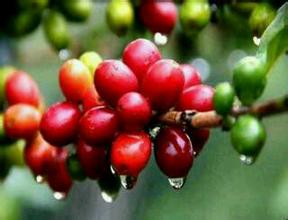
The amount of coffee consumed in China is about 200 billion yuan. Average annual consumption growth rate of 20%
Xiong Xiangren, Chinese president of the 26th World Coffee Science Congress, believes that the meeting to be held in Yunnan, China, is an affirmation by the coffee industry for the improvement of the comprehensive strength of China's coffee industry, and also marks that China will have a dialogue with the global coffee producing and consuming countries, which will play a positive role in improving the international status of China's coffee in the future. In addition, he also talked about the blowout era of Chinese coffee.
Consumption of tea and coffee in Arab countries has more than tripled
According to the latest statistics released by the International Coffee Organization, tea and coffee consumption in Arab countries has more than tripled in the past decade. Consumption in the United Arab Emirates has increased by 85% in the past three years. The per capita annual consumption of tea and coffee in the United Arab Emirates is 3.5 kg, which is about double that of other Gulf countries, and tea consumption has increased by 47%. 2011 Global Coffee
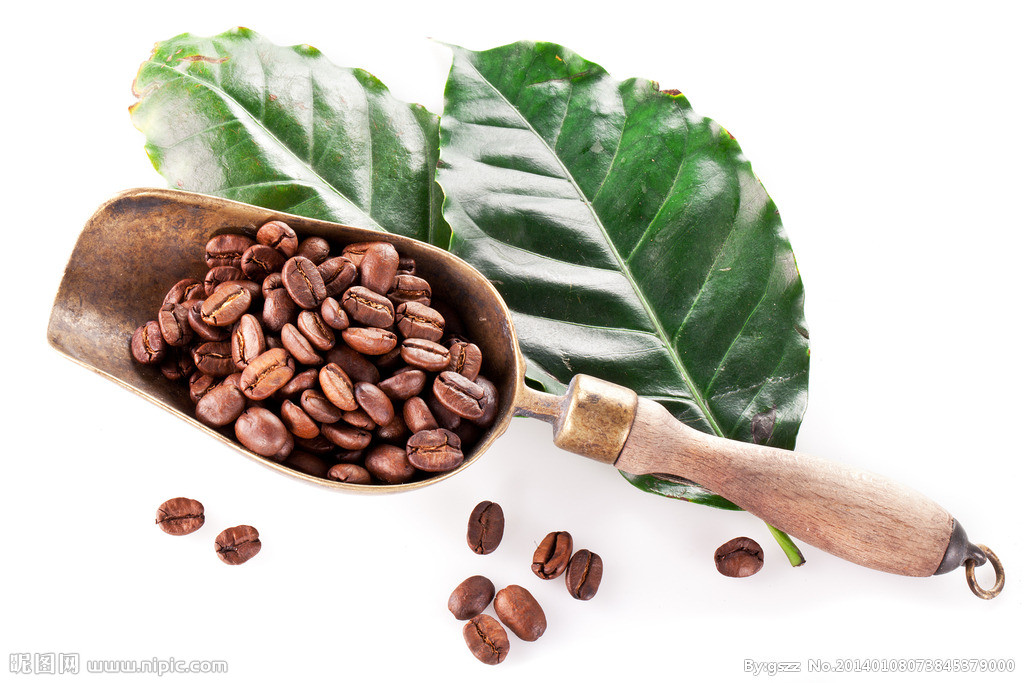
International Coffee Organization reports that tea and coffee consumption in Arab countries has more than tripled
According to the latest statistics released by the International Coffee Organization, tea and coffee consumption in Arab countries has more than tripled in the past decade. Consumption in the United Arab Emirates has increased by 85% in the past three years. The per capita annual consumption of tea and coffee in the United Arab Emirates is 3.5 kg, which is about double that of other Gulf countries, and tea consumption has increased by 47%. 2011 Global Coffee

Global Coffee Production in 2017-Latest News on Coffee Production
According to current market data, emerging countries represented by China, Brazil, Russia, India and South Africa currently consume 20% of the global total coffee, and this proportion will reach 35% by 2020. China is one of the world's largest emerging coffee consumers, with sustained economic growth, increasing people's living standards and poor living standards.
Tea and coffee consumption in the United Arab Emirates has increased by 85% in the past three years.
According to the latest statistics released by the International Coffee Organization, tea and coffee consumption in Arab countries has more than tripled in the past decade. Consumption in the United Arab Emirates has increased by 85% in the past three years. The per capita annual consumption of tea and coffee in the United Arab Emirates is 3.5 kg, which is about double that of other Gulf countries, and tea consumption has increased by 47%. 2011 Global Coffee
"New Coffee"-- the situation of breaking the "tradition" and "the unity of the world"
Coffee ranks first among the three largest beverages in the world, is the second largest trade commodity in the world (only after oil), and is an important raw material for medicine, food and light chemical industry. At present, the global coffee culture and drinking coffee are woody coffee, and mainly produced in Vietnam, Brazil, Colombia, Indonesia and other Central America, Africa, Asia and other regions near the equator. There are only clouds in our country.

Jinuo intelligent coffee mill is popular in first-and second-tier cities in China.
More and more Chinese are beginning to sip Western drinks, and coffee is undoubtedly the first to bear the brunt. Relevant industry data show that the space of China's coffee market will continue to expand and will enter a period of rapid growth in the next 10 years. According to the London International Coffee Organization, compared with the global average growth rate of 2%, China's coffee consumption is growing at an astonishing rate of 15% a year. According to statistics, China's current

Don't regular coffee drinkers order takeout? is there a market for takeout coffee to make money? Wuhan takeout coffee sales have tripled.
This is the worst of times and the best of times, and the same is true in the case of coffee. In the past, when it came to drinking coffee, many people chose to go directly to a coffee shop, but today, there is not necessarily a single scene of "coffee shop" if you want a good cup of coffee. Take Chestnut: you may drink coffee in Uniqlo; you
The reduction in overseas production has led to a big increase in exports. Yunnan Coffee and beans are soaring in quantity and price.
Affected by extreme weather, the global supply and demand of coffee beans, the raw material of coffee, has been challenged this year. Multi-party data show that due to the main producing areas of coffee beans, such as Brazil, affected by drought, diseases and insect pests and other factors, coffee bean production has dropped sharply this year, resulting in coffee beans in short supply and prices showing an upward trend. At present, it has also entered the picking season of domestic coffee beans. Yesterday (November 25), coffee in Yunnan Province
Brazilian coffee production plummets, Yunnan curry farmers hoarding goods are bullish.
Recently, the news on Weibo that the global supply of coffee beans has shrunk sharply and coffee prices will rise all the way has attracted everyone's attention. Some netizens who usually like to drink coffee say they want to buy some coffee beans to store them, while others think that Yunnan farmers can finally get a higher annual income. So will the price of coffee rise this year? Does it cost more to drink coffee at the retail terminal? The reporter carried out this.

"Internet + delivery" Mode: the New Retail era of Coffee Industry
Professional coffee knowledge exchange more coffee bean information Please follow the coffee workshop (Wechat official account cafe_style) entered the new retail era, to create cross-border integration, online and offline, multi-platform shopping experience has become the main theme of this year's Singles Day. Data show that a total of 1 million local merchants of catering, fruit, flowers and entertainment, as well as 3 million takeout riders participated in Tmall's Singles' Day.
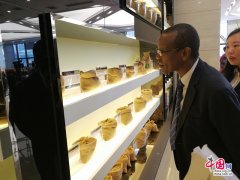
Why does Chongqing, which does not produce coffee, make the international coffee business so hot?
Chongqing, which does not produce a single coffee bean, is building a coffee industry service platform with global influence. Why? First look at the figures: Chongqing Coffee Trading Center officially opened on June 5 last year, and by the end of the first quarter of this year, the transaction volume has reached 5.268 billion yuan. Behind this figure is the global consumption of 1.6 billion coffee consumers, with consumption of nearly 9 million tons. Feng Yue, chairman of Chongqing Energy Group, 201

Coffee: a commodity to be awakened by the Chinese factor
Elegant and romantic Starbucks, mellow cafes. What you may not imagine is that behind the quiet and pleasant scene is the choppy coffee market.
Increased consumption in Africa leads to tight supply of coffee
Brazil, the world's largest exporter of coffee, has suffered a decline in coffee production due to a severe drought, while local consumption of coffee in Africa, another major source of coffee exports, continues to grow, leading to a continuing strain on global coffee bean supply.